

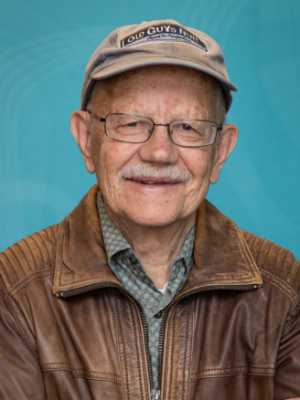
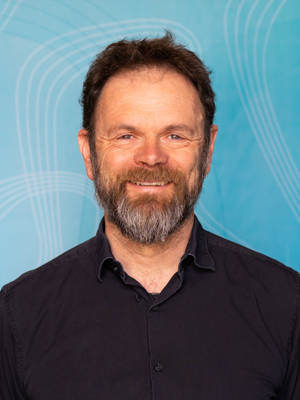
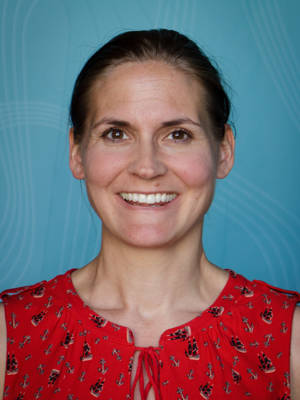
ÌÇÐÄÍøÒ³°æ/CSCW is one of 8 partners in this 4-year 'Specific Targeted Research Project' funded by the EU. The consortium is coordinated by at Consejo Superior de Investigaciones CientÃficas (CSIC), Barcelona. The leader of the research team in Oslo is . is on the consortium's Scientific Advisory Board.

The purpose of this Europe-wide collaboration is to promote and coordinate research on the conceptualization, modelling and measurement of polarization and conflict and the links between the two. We aim at contributing to identify the main forces leading to conflict, provide tools and indicators for early warning, understand the role of alternative forms of third party intervention such as mediation or arbitration in the reaching of an agreement, and design post-conflict, viable agreements, including the system of political representation. To achieve this, we will integrate the different approaches that have independently developed in the different social sciences and will combine models with factual evidence. We expect the outcome be a multidisciplinary understanding of conflict in which the analytical models will be tested against facts.
The project has its own , set up by CSIC.
The main focus of the researchers in the CSCW node is datasets. An overview of the datasets of relevalce to the project can be seen .
In addition to CSCW and CSIS, other institutional partners in the PAC consortium are:
- Tel-Aviv University
- Utrecht University
- Institut d'Économie Industrielle
- Université de Toulouse I
- University of Konstanz
- Università Luigi Bocconi-Innocenzo Gasparini Institute for Economic Research
- London School of Economics and Political Science.
A workshop on polarization and conflict was held in Nicosia, Cyprus 26–29 April 2006, co-sponsored by the Centre for the Study of Civil War at ÌÇÐÄÍøÒ³°æ and the Polarization and Conflict Network (PAC).
