A new podcast series on ethics in peace negotiations is now available and
In this series Henrik Syse and Kristoffer Lide�n consult the authors of case studies in the FAIR project on the questions: What are the core ethical considerations in peace negotiations, and what makes peace negotiations fair? Issues include civil society inclusion in Guatemala and Colombia, barring or bringing memory to the table in Israel-Palestine, women’s campaigns for a seat at the table in Mali, and trust building in negotiations leading to the Joint Comprehensive Plan of Action for Iran.
See the full episode list below.
- Malian Women’s Participation in the Algiers Negotiations
Read the full case brief by Jenny Lorentzen here.
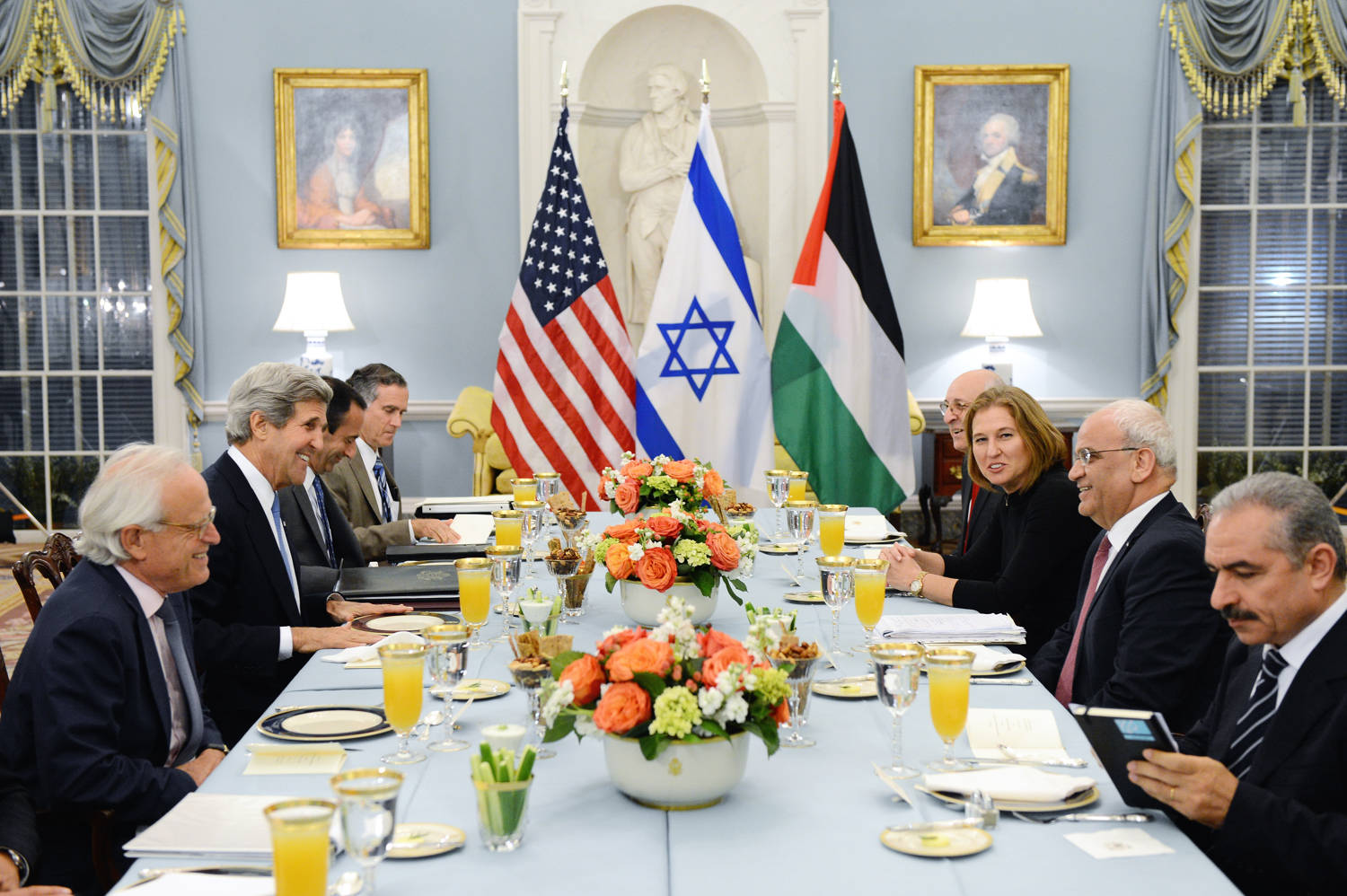
- Excluded Palestinians: Mediator Gatekeeping in the Israeli–Palestinian Conflict
Read the full case brief by Jørgen Jensehaugen here.
- The Role of Civil Society in the Guatemalan Peace Process
Read the full case brief by Wenche Hauge here.
- Questioning Representation and Ownership in the Astana Process
Read the full case brief by Zenonas Tziarras here.
- Balancing New Norms and Popular Support in the Colombian Peace Proces
Read the full case brief by Isabel Bramsen here.
- Exclusion in South Sudan's Revitalised Peace Agreement
Read the full case brief by Cedric de Coning and Eli Stamnes here.
- Memory and Forgetting in the Israeli–Palestinian Peace Process (1993–2001)
Read the full case brief by Nadim Khoury here.
- Trust and Fairness in the Iran Nuclear (JCPOA) Negotiation
Read the full case brief by Eric Stollenwerk and Gregory Reichberg here.
- The US Talks with the Afghan Taliban: Pulling the Rug from under a Government it Created
Read the full case brief by Kristian Berg Harpviken here.
