Cobalt and the Congo: A Sustainable Green Energy Transition Cannot Be Built on Human Exploitation
Posted Tuesday, 13 Apr 2021 by Prince De Makele Mounguembou
General Motors, one of the United State鈥檚 most important automakers, that it would phase out petroleum-powered cars and trucks and sell only zero-emission vehicles by 2035. Although one of the auto industry鈥檚 most ambitious moves, electric vehicles (EVs) cannot be produced or driven without cobalt, we cannot discuss this ferromagnetic metal without referring to the Democratic Republic of the Congo (DRC). The DR Congo is the , supplying 100,000 metric tons or approximately 70% of the world cobalt mine production of 140,000 metric tons in 2019.
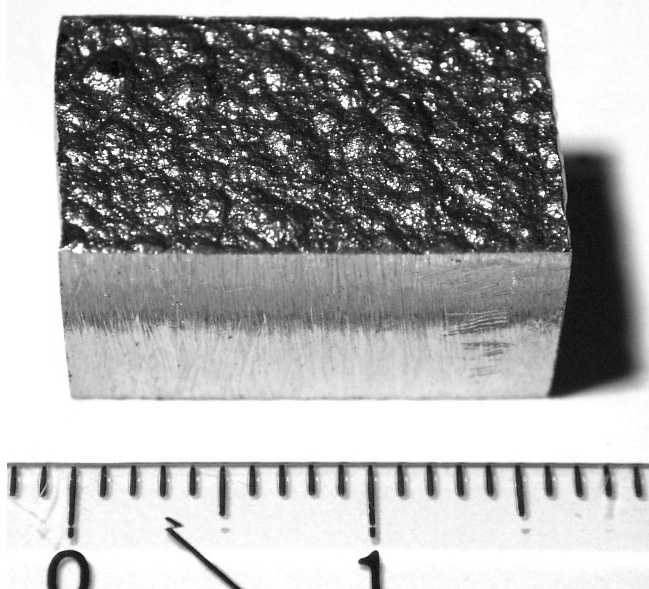
Cobalt is an essential component of the lithium-ion batteries that power electric vehicles. The DRC鈥檚 cobalt reserves could make it the 鈥�.鈥� Despite this enormous potential, cobalt extraction in the DRC as it is carried out today comes with a hefty human, social and environmental price tag. And a cobalt boom raises the risks of numerous bad outcomes in a country like the DRC with its limited ability to govern well cobalt extraction. Creating more sustainable automobiles requires a shift in our focus beyond the policy and popular discourses about clean, green EVs, and beyond EV鈥檚 carbon emissions. Rather, creating sustainable automobiles require us to focus attention and good governance efforts along the entire EV supply chain, from extraction to end-use product.
At the raw materials input end of the supply chain for EVs, sustainability means focusing on the conditions under which cobalt is produced. The has made it a classic example of the resource curse, with its mineral wealth fueling and sustaining its seemingly never-ending instability and . A series of reports has shown how cobalt mining in the DR Congo is plagued by problems like human rights abuses, unsafe mining, and several other risks have been reported in the DRC cobalt mining industry. These include the use of , deaths from the , and the of cobalt mining. In summary, EV have direct and indirect impacts on the physical and human security of Congolese citizens.
It is not just Congolese government officials who are responsible for ensuring that cobalt is mined in safe and just ways. Automobile companies 鈥� those using cobalt as inputs to batteries in electric vehicles 鈥� have an important role to play. Behind the increasing demand for cobalt are the companies that depend on rechargeable batteries for electric vehicles. These include almost all the large automakers that are aggressively expanding their electric vehicle lines, including Tesla, Toyota, Ford, General Motors, BMW, Volkswagen Group, and China鈥檚 leading EV company, BYD. With only about 17,000 electric cars on the world鈥檚 roads in 2010, the industry boomed during the last decade to about 7.2 million EVs on the roads in 2019 鈥� . In the US, , driven by the market launch of the standard version of the Tesla Model 3.
EV consumers can also play a role in demanding good governance of the Congo鈥檚 cobalt resources. EV consumer demand is rising: of American public opinion on EVs showed that 40% of Americans said they would buy or consider purchasing an all-electric vehicle in the future.
Neither companies nor consumers should ignore child labor and corruption problems to satisfy customer demands. Human and environmental welfare and protection should be the sacrosanct principles driving business, technological development, and scientific breakthroughs. Failing to improve cobalt mining conditions in the DR Congo is an injustice to the people in eastern DRC.
A sustainable green energy revolution cannot be built on human exploitation.
A in electric-vehicle output is forecasted to require a gross annual cobalt production of 314,000 tons by 2030, which is roughly 224% more than production levels in 2019. This represents an incredible opportunity to turn things around in the DR Congo鈥檚 cobalt mining industry, if taken seriously. But as long as consumer demand for EVs remains high and the advancement of technologies requiring more of the silvery-blue, hard, lustrous, and brittle element are prioritized over human security and welfare, normalizing conflicts and human rights abuses will continue in the DRC鈥檚 mining industry with ripple effects across all layers of politics and communities. This is because powerful actors will continue dominating the mines, employing children, discarding workers鈥� concerns, and using force, including military means, to control the system with an ultimate goal of accumulating abnormal profits at the detriment of the people.
Greater transparency, although not sufficient, is required. And we need to ensure that legal regimes and the voluntary governance initiatives in the cobalt and other extractive industries are adequately addressing questions such as who should be accountable for using child labor in cobalt mines for trading in conflict-mined cobalt.
- The Project: Green Curses and Violent Conflicts
Related comments


Posted by
Prince De Makele Mounguembou
All tags
