Ebola: A Humanitarian Crisis or a Crisis of Humanitarian Governance?
Posted Wednesday, 15 Oct 2014 by Kristin Bergtora Sandvik
With more than 8,000 confirmed, suspected and probable of Ebola and nearly 4,000 deaths, mainly in Guinea, Liberia and Sierra Leone, the impact of this Ebola outbreak far all previous outbreaks registered since the disease was identified in . But what type of crisis is this? Is this just another humanitarian crisis in a year unusually crowded with emergencies, or is it also a serious crisis of humanitarian governance?
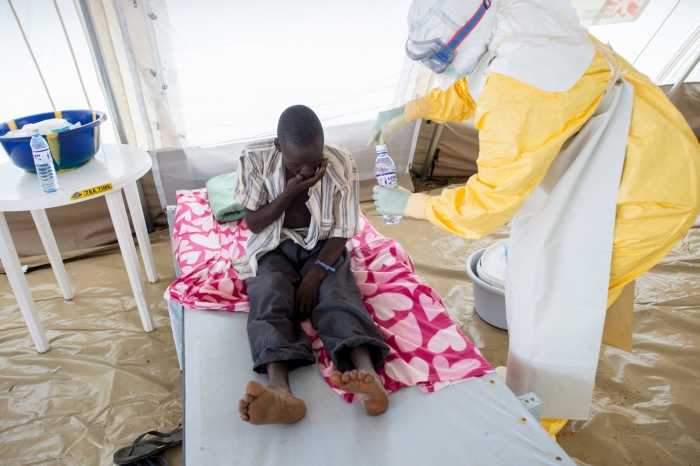
What kind of crisis is this?
In popular culture and current media coverage, Ebola is often portrayed more as a civilisational crisis than a humanitarian one: the and outbreak narratives, including frequent allusions to , are reminiscent of the of HIV/AIDS in the mid-1980s. The racial connotations are equally familiar but much : the blaming of victims for their primitive food habits (bush meat), irrational customs (burial practices) and hostility to modern medical practice (including sorcery and physical attacks on health workers) has the ring of Joseph Conrad’s Heart of Darkness about it. Africa is yet again a diseased place, with ambiguous relationships between animal and man and the living and the dead.
Read more at the .
Related comments