When Internet Access Becomes a Weapon
Posted Monday, 26 Oct 2015 by Anita Gohdes
Social Media has rightly been celebrated as an empowering tool for ordinary citizens to mobilize against repressive rulers, and make marginalized voices heard. But a crucial question remains unanswered: why should power-hungry states, with de facto control over access to the Internet, impassively concede to defeat?
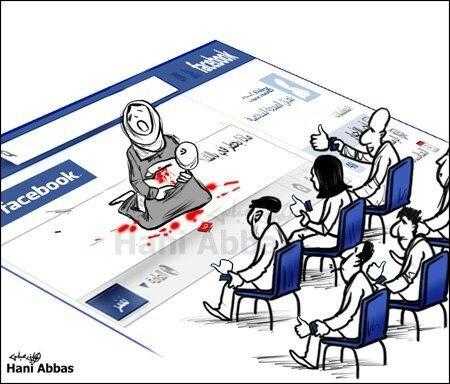
The simple answer is: they do not. Behind the scenes, autocratic governments across the world have been extremely active in developing and refining a whole arsenal of tools to , and the digital flow of information in their own country.
The ongoing civil war in Syria that has claimed is a vivid example. Experts have called it the most civil conflict in history, with events being painstakingly . Thousands of YouTube videos record the images of killed and injured people in morgues, hospitals and market places. Activists use Twitter and Facebook accounts to inform each other about military operations and massacres, and to .
The Syrian regime has its virtual presence, from employing an of hackers to using an array of against its entire population. It even maintains a lively with no sign of the ongoing war. To intercept Syrian Facebook users鈥� information and communication, the regime has reportedly that allow a third party to access and modify the user鈥檚 content. Cruder forms of interception, such as , have also been used. On several occasions, the regime has gone all out and .
- Read more at the , where the complete text was published 24 February 2015.
- The blog post is based on the author鈥檚 article in Journal of Peace Research, May 2015: 鈥樷��
Related comments