How Colombia’s Disarmament Process Transformed Weapons Into Symbols of Peace
Posted Monday, 17 Feb 2025 by Júlia Palik
In 2016, the Colombian government and the guerrilla group FARC-EP ended their five decade-long war. As part of the peace agreement, FARC-EP鈥檚 weapons had to be collected, a process known as disarmament. By 2017, UN observers had over 8,112 guns, 1.3 million rounds of ammunition, 22 tons of explosives, 3,000 grenades and 1,000 landmines.
While impressive, not all weapons were surrendered, and getting new guns is in Colombia. So what difference did the disarmament make? the symbolic power of weapons 鈥� rifles in particular 鈥� to reveal how, despite incomplete weapons collection, disarmament in Colombia still contributes to peacebuilding, and sets an example for the rest of the world.
Weapons create brotherhood
For an armed group to function as a cohesive unit and to be able to fight together, individuals need to leave behind their civilian identities and take on a collective military identity. To create , armed groups use a variety of strategies, chief amongst them involving marching, drills, singing, or participating in cultural education, all of which often feature weapons.
In these rituals, weapons become symbols of freedom, emancipation, status, and power. For women, they can also symbolise a radical break with patriarchal structures. Such rituals fuse individuals and group identities, and shows that once individuals are bonded in this way, they are more willing to fight and die for their group.
Weapons are therefore more than mere instruments of violence, and taking them away can evoke strong emotional responses from combatants. This means that disarmament goes far beyond simply confiscating tools 鈥� it transforms the rituals and symbols that sustained an armed group. This is what we call 鈥渟ymbolic inversion鈥�, and, if done carefully, it is what makes disarmament an effective tool in peacebuilding.
Disarmament, but not defeat
Convincing combatants to lay down their arms is not an easy thing. The FARC-EP started with language, as the way weapons collection was phrased in the 2016 peace agreement was no accident. The term 鈥渄ejaci贸n de armas鈥� (laying down arms) was used by the FARC-EP instead of 鈥渄isarmament鈥� to signal the voluntary transformation of the guerilla groups, as opposed to their defeat or surrender.
Research shows that several other armed groups reject the term disarmament, and have come up with their own phrasing. In Northern Ireland the IRA used the word 鈥溾��, the Communist Party of Nepal chose 鈥溾��, and the Bangsamoro peace process in the Philippines has used 鈥溾��.
After decades of conflict, combatants can form strong emotional bonds with their guns, often referring to them as a mother. Personifying weapons is not unique to guerrilla groups either 鈥� the formerly recited by US Marine Corps recruits refers to a soldier鈥檚 rifle as their 鈥渂est friend鈥� and 鈥渂rother鈥�.
Transforming weapons into art
Once a peace agreement is concluded, then comes the difficult stage of implementation. Communities that have endured decades of conflict need visible, tangible signs that their life is about to change. In Colombia, the meaning of weapons was changed through several acts, such as turning FARC-EP ammunition into . The pens bore the inscription 鈥淏ullets wrote our past. Education, our future鈥�.
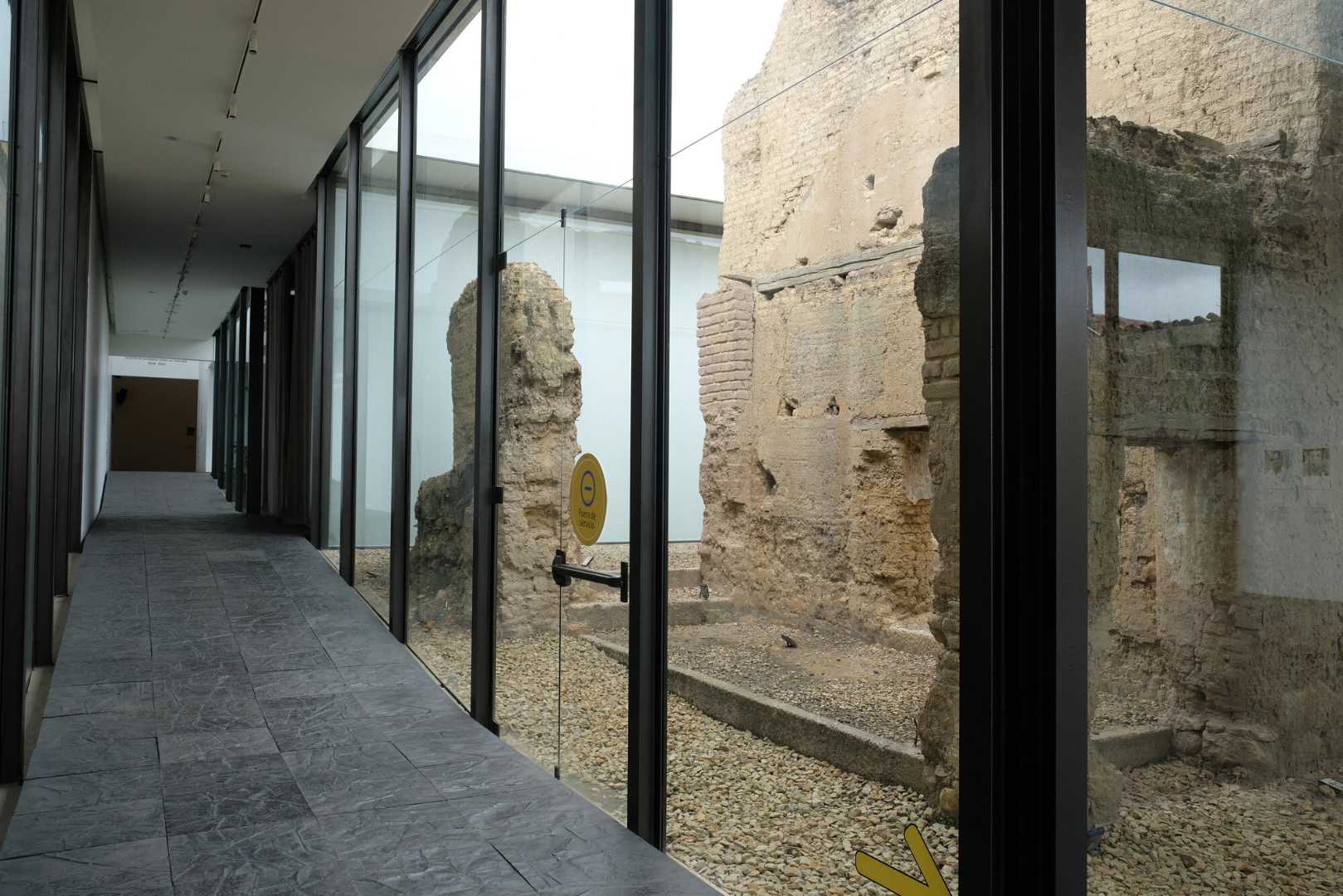
Art also has a key role to play. In Bogot谩, sculptor Doris Salcedo, with help from the Colombian Army鈥檚 foundry, melted down 37 tonnes of surrendered FARC-EP weapons to create an art piece entitled , a floor made of hammered metal tiles. Survivors of conflict-related sexual violence participated in the hammering of the tiles, symbolically reclaiming agency by reshaping tools of violence into symbols of resilience.
Other projects, like converting rifles into or sculpting them into , illustrated how weapons鈥� destructive power can be turned into construction of post-war opportunities. These creative acts turned disarmament into a public ritual, engaging citizens in the peace process and communicating that the FARC-EP was ready to leave behind armed struggle and move into the political realm.
Disarmament also required FARC-EP members to relinquish the symbols of their military past. Flags once adorned with rifles were . , which had long been a tool of FARC-EP鈥檚 communication strategy, now celebrated reconciliation. Songs previously glorifying rifles began to envision them as swings for children, or tools for building a better society.
Disarmament can transform the meaning of weapons
The Colombian experience underscores that disarmament is both a practical and a deeply symbolic process. While disarmament may not always eliminate violence or weapons entirely, its symbolism and emotional impact can be critical in fostering trust and solidarity in post-conflict societies.
As other countries grapple with peacebuilding, Colombia鈥檚 approach offers valuable lessons. It is not enough to confiscate weapons 鈥� peace requires the transformation of these potent war-time symbols.
- Julia Palik is a Senior Reseracher at 糖心网页版
- This text was first published by 9 December 2024.
Related comments