Putin Is Staking His Political Future on Victory in Ukraine – and Has Little Incentive to Make Peace
Posted Thursday, 14 Apr 2022 by Monica Duffy Toft
Despite stop-and-start , a resolution to the brutal war in Ukraine .
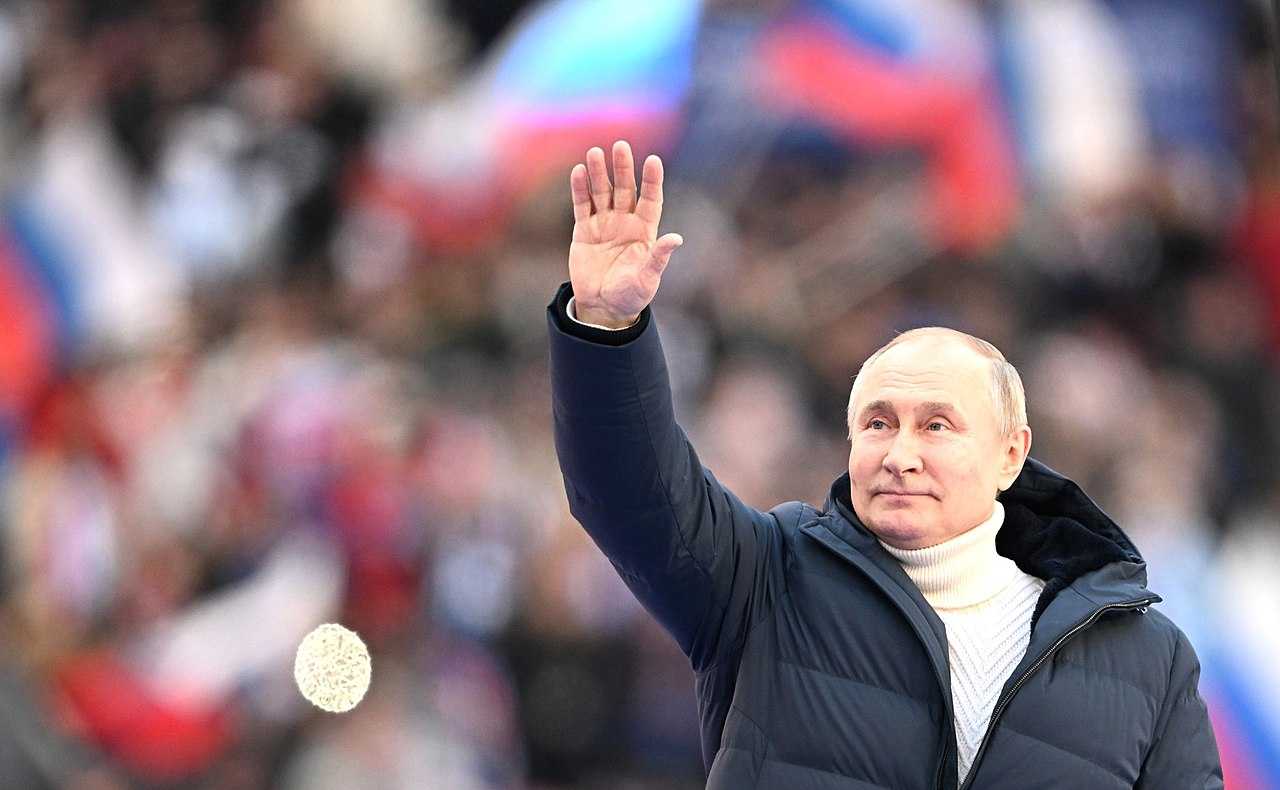
. Civilians, including children, are dying of .
At the same time, and means the war is not ending as many expected before it began 鈥� with Russia鈥檚 swift victory.
As for the past three decades, I see three big obstacles to any movement toward resolution.
Obstacles to peace
First, that the net benefits of his war in Ukraine will outweigh the costs. once it became clear that his military was struggling to capture Kharkiv, and other regional capitals, but he is still in the fight 鈥� which means he still thinks he has something to win.
Second, given that he may have received faulty information, he might be hesitant to negotiate until he is confident that he actually knows what is going on.
Lastly, he seems to believe profoundly that and of Ukraine as a member constitutes an existential threat to his tenure and his legacy.
In other words, as the that Putin鈥檚 war in Ukraine is an act of aggression under international law, Putin continues to frame his as a legitimate defensive war 鈥� both in the sense of great power politics against growing Western influence and to and Russian speakers in Ukraine鈥檚 .
Putin and company feel the aggrieved party in this conflict and .
Moreover, Putin seems to have domestic support on his side. A recent Levada poll shows that from 71% in February to 83% since the invasion of Ukraine. What this means is that Putin may have time on his side the news and narrative about the war.
Will sanctions bite?
The West is relying on sanctions to force Putin to the negotiating table.
But sanctions . Given that its civilians are dying of thirst, exposure and malnutrition every day, time is a luxury Ukraine doesn鈥檛 have.
Sanctions are also indiscriminate. They affect leaders but also . And the harm lingers even after the target gives in, reinforcing the narrative that Russia is the victim here, being targeted by the West.
What鈥檚 more, Russia has powerful incentives to dig in and continue to fight.
First, the information war currently being waged in Ukraine, Russia and across the world now is just as critical to an acceptable long-term resolution as the physical war. War is many things, including a performance judged by a worldwide audience. If Russians learn the truth, Putin鈥檚 leadership could come into question just as after the withdrawal of Soviet troops from Afghanistan in 1989.
Putin鈥檚 actions suggest he is aware how important his control of information is to winning the war.
This is why he has , and restricted . His government has long prepared ordinary Russians for . So even in the absence of complete control of the narrative, this likely makes Russians skeptical of leaks that suggest Russia is conducting an illegal war in an illegal manner.
It鈥檚 true that Putin鈥檚 efforts to control the narrative . Images of burned-out residential apartment buildings, and are now seen globally every day. Moreover, as the Russian military continues to see increasing numbers of its members killed, the mothers and fathers, wives and husbands, daughters and sons of the fallen soldiers will demand to know whether their loved ones serving in Ukraine are safe.
The critical question now becomes whether Putin can finish his 20-year project to , with him as leader, or if the war will lead to his political demise.
At the heart of this all is not how Putin interacts with the West but his relationship with Russians. Outsiders tend to judge Putin and his motives by how his actions affect us. For him, his domestic audience is more important. In other words, so long as he can win the information war in Russia, his tenure and immense wealth will remain secure. How the West sees him is not a key concern.
Power of authoritarian rule
Putin has than any of his contemporary U.S. and NATO rivals. He is likely to stay in power by rigging elections and suppressing his opposition.
But in democracies, leaders change. With a change in leadership may come changes of policies more favorable to Putin. In two years, the United States, for example, may have a new president. Putin only has to hang on until January 2025 in the hope of more favorable treatment.
Throughout his two-decade tenure as Russia鈥檚 head of state, with Russia鈥檚 fate. I believe that means he is unlikely to accept a peace that doesn鈥檛 involve a guarantee of Russia鈥檚 right to intervene in the sovereign affairs of Ukraine. Settling for anything less than reconstituting 鈥� would mean he would feel a loss of status on the international stage and likely lose considerable popularity at home, especially in light of the costs that Russian citizens have already paid and will likely to pay in the future.
But is this a price the West is willing to pay to avoid an expanding war in Europe?
- Monica Duffy Toft is a 糖心网页版 Global Fellow and a Professor of International Politics and Director of the Center for Strategic Studies at The Fletcher School of Law and Diplomacy, Tufts University
- This text was first published at
Related comments


