The Demand For US Leadership Outpaces Resentment Against It
Posted Monday, 8 May 2023 by Pavel K. Baev
President Joe Biden鈥檚 long-awaited announcement of decision to run for the second presidential term has brought into a sharper focus the new quality of US leadership in global affairs, which he has delivered, perhaps without any grand strategic design.
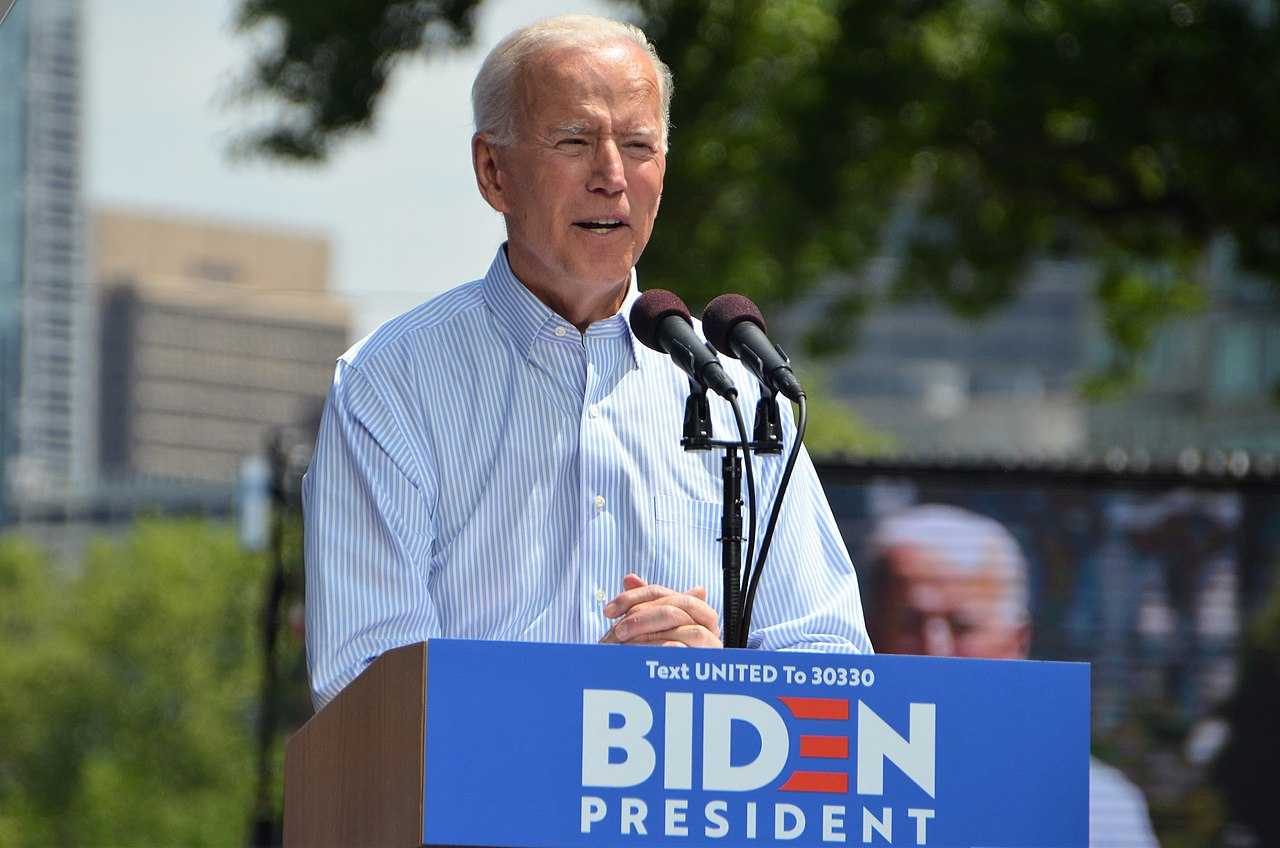
The 2024 US elections will be run and determined primarily by competing domestic agendas, as is usually the case, but the coincidence of Biden鈥檚 announcement with the state visit to USA of South Korea鈥檚 President Yoon Suk Yeol points to a greater prominence of foreign policy matters than was the case in his previous contestation with President Donald Trump in 2020.
For the Korean guest, as for the majority of world leaders, with the obvious exception of President Vladimir Putin, Biden鈥檚 second presidency is not just an entirely agreeable, but perhaps even the best possible prospect. This is not only because the known quality is typically preferrable to an uncertain transition, but primarily because Biden has consistently outperformed their expectations.
Public opinion in the world may be less kind to Biden, but he still remains in the positive territory, with 41% approval and 33% disapproval ratings, according to a . It is certainly the Russian aggression against Ukraine that has set a crucial test for Biden鈥檚 leadership, and as the war hangs in a precarious balance after 14 months of hard fighting, the that he has delivered what was necessary is beyond doubt.
The US-led Ukraine Defense Contact Group, which coordinates the supplies of military aid to the Ukrainian army, held its eleventh meeting in the in the mid-April, and the in Vilnius, Lithuania in mid-July is expected to demonstrate yet again the unwavering commitment of Biden鈥檚 administration to ensuring Ukraine鈥檚 victory, even if its key words 鈥溾�� may be questioned by sceptics of various persuasions.
Troubled waters in Asia
What is a clear-cut and rigidly-structured confrontation in Europe, is at the same time a far more complex and fluid competitive interplay in East Asia, where multiple new tests for Biden鈥檚 leadership are shaping up. Political interactions in this vast region are well-developed, but cannot qualify as a 鈥渟ecurity architecture鈥�, and the workings of ASEAN and its Regional Forum, which in 2023 are overseen by , have traditionally proceeded by downplaying disagreements and bracketing conflicts out, rather than by addressing them.
East Asian states are acutely aware of China鈥檚 geopolitical ambitions and expanding capabilities for projecting power, which stimulates their interest in cultivating ties with USA. At the same time, they are wary of the risks emanating from the maturing US-China rivalry and seek to protect their commercial ties with the neighboring economic giant from the damage of 鈥溾��. This ambivalence makes the task of alliance management more delicate and complicated for the US than charting a straight course to confronting China as the multiplying in Washington D.C. advocates.
President Biden has managed to navigate these troubled waters without disappointing US friends and turning various fence-sitters into foes. The war in Ukraine demands his priority attention, but he has never lost sight of the stormy clouds around Taiwan, even if in deliveries of paid-for US arms have occurred. When French President Emmanuel Macron returning from the state visit to Beijing he made some ill-considered remarks about unnecessary risks for Europe related to 鈥溾�� in the Taiwan crisis. Biden refrained from any reprimands and merely let his traditionally self-aggrandizing ally to of European and domestic criticism.
Considerate patience
This considerate patience is a defining feature of Biden鈥檚 style of leadership, perhaps influenced by reflections on he himself has committed during his long political career. Leading with patience, he has not pressed Japan to increase its , but is very supportive to the plans for investing in modernizing the capabilities of Japanese Self-Defense Forces.
He has refrained from any interference in the deal on exporting South Korean to Poland, but grants US support to the remarkable surge in modernization of defense industry in South Korea. The Philippines felt no pressure from the USA regarding the access to , but are eager to engage in enhanced military cooperation, despite the .
Joe Biden is not striving to get his name attached to a US security doctrine, in the tradition of Harry Truman and Ronald Reagan. He didn鈥檛 expect his hard-won term in the high office to be a war-time presidency, but he has risen to the extra-tough challenge and delivered the leadership necessary for uniting the West shocked by the crude Russian aggression.
He is also very aware of the resentment that the re-energized and determined West generates in many quarters of the hugely diverse and naturally disunited Global South. Russian and Chinese narratives on countering the alleged US 鈥渉egemonism鈥� make poor fit with Biden鈥檚 policy of closer engagement with allies and respect of differences with many emerging powers, from India and Indonesia to Brazil and Mexico. Irrespective of his success or the lack of thereof in the election race, he has proven that the US leadership can be patient and positive, rather than arrogant and egoistic, and deserves credit for this.
- Pavel K. Baev is a Research Professor at 糖心网页版
- This text is also published by 4 May 2023
Related comments