The World Food Program won the Nobel Peace Prize. Does food aid boost peace?
Posted Thursday, 29 Oct 2020 by Ida Rudolfsen & Halvard Buhaug
The named winner, recognizing the (WFP) for 鈥渇or its efforts to combat hunger, for its contribution to bettering conditions for peace in conflict-affected areas and for acting as a driving force in efforts to prevent the use of hunger as a weapon of war and conflict.鈥�
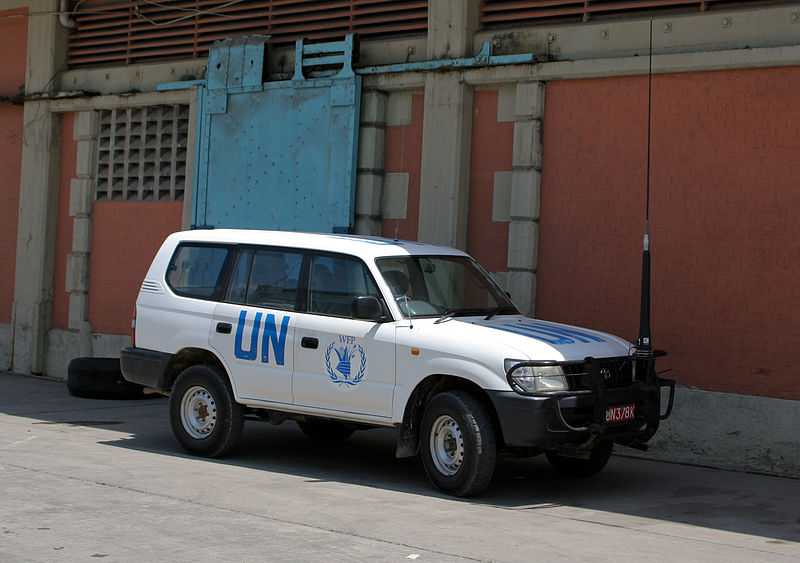
With the under pressure and countries such as the United States emphasizing isolationism over international collaboration, this year鈥檚 is a push for 鈥�,鈥� the head of the Norwegian committee said. It is not surprising, therefore, that last week鈥檚 announcement was met with , with commentators describing the award as 鈥溾�� and 鈥�.鈥�
But is there a direct relationship between combating hunger and building peace? Our research helps explain why these linkages are so complicated.
Global hunger is on the rise
After a steady decline in the prevalence of global undernourishment, in recent years. The is making things worse. WFP estimates that without international assistance, the number of in high-risk countries may nearly double (from 149 million to 270 million) before the end of the year.
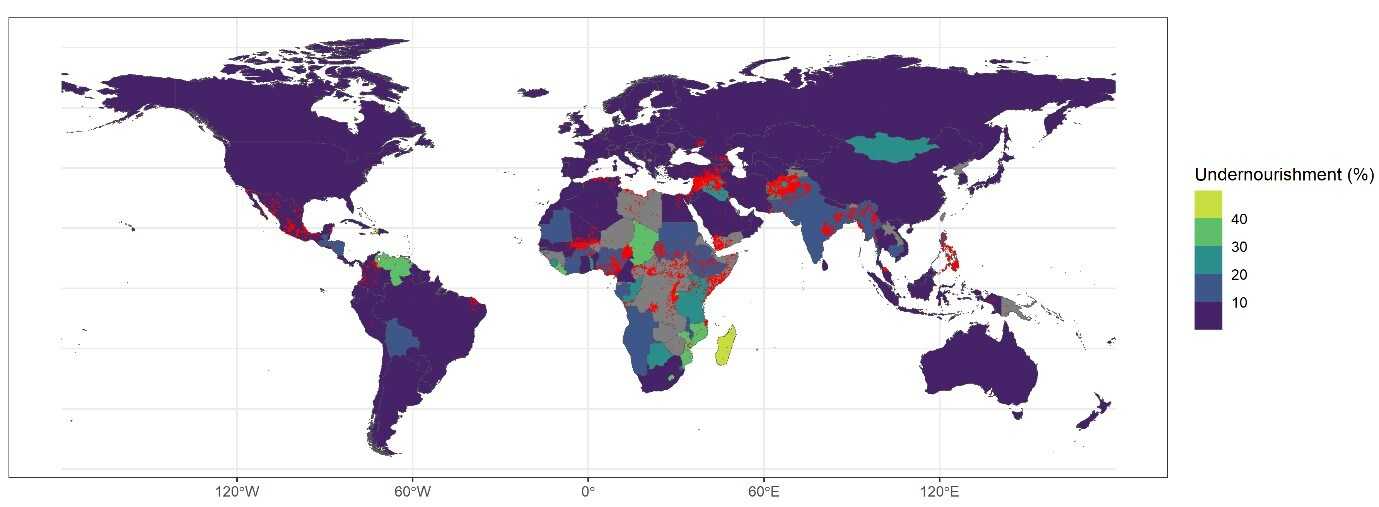
The Nobel committee鈥檚 announcement describes the link between hunger and armed conflict as a 鈥渧icious circle,鈥� where conflict can cause food insecurity and food insecurity may trigger violence.
The first part of this link is clear 鈥� almost all of today鈥檚 major food crises are in countries experiencing . The WFP spends of its operational budget on humanitarian operations in conflict zones. In September, WFP Executive Director David Beasley wrote, 鈥�.鈥�
Experts sometimes describe war as development in reverse. Wars often trigger displacement of agricultural livelihoods, or can lead to armed groups looting or destroying crops. And wars can set back progress toward food security for decades.
Add in a and extreme weather events and it鈥檚 easy to see why the United Nations is now warning of the potential for famines of 鈥�.鈥�
鈥� And food insecurity to conflict
But the is less obvious. True, persistent or increasing levels of food insecurity that can motivate people to form groups and engage in violent behavior. Likewise, there is a robust statistical relationship between .
These insights reveal less about the role of food insecurity or hunger specifically, as opposed to economic hardships more generally. Widespread hunger and mass starvation are outcomes of that simultaneously produce a host of social ills 鈥� underdevelopment, inequality, exclusion 鈥� that increase conflict risk. Assessing the independent role of hunger in causing such events is not easy.
People at the brink of starvation are rarely found fighting at the battle front and social movements protesting against high food prices usually originate among members of the relatively better-off . 鈥淔ood riots鈥� usually concern than the cost of bread, similarly to collective responses to peaks in the price of other basic commodities like and .
Food aid can have unwanted effects
Even if hunger rarely causes violent conflict, can humanitarian efforts to strengthen food security increase the likelihood of peace? Aid provided by WFP and other humanitarian efforts can be crucial in alleviating acute food crises. But , and food doesn鈥檛 always reach those for whom it is intended. Research shows that those trapped in high-intensity conflict areas than those less exposed to the violence.
Why? Often it鈥檚 because ongoing armed conflict makes areas of acute malnutrition inaccessible, which means that humanitarian organizations may have to rely on local armed groups for aid delivery. In Yemen, for example, WFP had to make in an effort to get food to vulnerable populations, all while that donations could be captured and distributed to the warring parties instead of those most in need.
A related concern is the potential effect of humanitarian assistance on . An inflow of food and other lootable commodities can . These armed groups may want to , to use food as a weapon in war or as tactical behavior to use as leverage in bargaining. Food relief organizations face a dilemma: They must assist those hardest hit by hunger, but must also be aware of the significant risk that corruption 鈥� or violent seizure of food aid 鈥� may inadvertently contribute to aggravating or prolonging the conflict.
An influx of food aid to vulnerable areas can also undermine local markets. When cheap or free food is brought in from outside, local farmers risk losing their income. For this reason, WFP has shifted toward a approach, giving recipients cash directly instead of food aid. This development is likely to stabilize communities鈥� food production capacity without disrupting local markets.
Of course, food aid doesn鈥檛 solve everything. Violent conflict and food insecurity are products of ineffective and discriminatory governments. Achieving the of zero hunger by 2030 is impossible without ending armed conflict and strengthening political institutions conducive to peaceful political rule.
This year鈥檚 Nobel Peace Prize is important because it sheds light on one of humanity鈥檚 greatest challenges, one that cannot be tackled without the international community鈥檚 coordinated efforts. Nonetheless, it鈥檚 not an award free from controversies or politics; provision of food aid will not cure violence and instability, and won鈥檛 replace conventional peacebuilding efforts. In some cases, food aid may even unintentionally prolong the suffering for those most affected by armed conflict.
Related comments
. heb@Wikimedia Commons](https://cdn.cloud.prio.org/images/ed9a8804de38458eb2f95c1ff35603f9.jpg?x=900&y=300&m=AutomaticCover&hp=Center&vp=Leading&ho=0&vo=20&)