The Soldier We See
Posted Friday, 5 Jan 2018 by Julia Welland
By Julia Welland
In contemporary Britain, the figure of 鈥楾he Soldier鈥� is increasingly visible.
S/he (although the figure is, of course, nearly always a 鈥榟e鈥�) appears in , in art and museum exhibitions, in Armistice Day commemorations, , in 鈥�, in , as the 鈥榬eal heroes鈥� of reality TV programmes such as X Factor, in , on , and the list goes on鈥� As the , the soldier and the job they do appears to occupy an increasingly important 鈥� and visible 鈥� role in British society.
We should care about what bodies and stories are being made visible and told and whose are being ignored.
In my latest Security Dialogue article 鈥樷��, I argue that this increased visibility is central to how the British public came to know and understand the recent military campaign performed by the British armed forces in Afghanistan and the violence that took place. Unlike the Gulf War and Kosovo intervention in which it was the military technology as opposed to military bodies that captured the public and media鈥檚 attention, the 鈥榟earts and minds鈥� campaign of counterinsurgency in Afghanistan meant that the British (and American) public were flooded with images not of high-tech military weaponry, but a more 鈥榟umanised鈥� looking war: soldiers patrolling wearing soft hats, soldiers interacting with local Afghans, and soldiers taking an active role in reconstruction efforts. The British public were also invited to 鈥榞et to know鈥� these soldiers through all manner of mediums (television programmes, museum exhibitions, military memoirs鈥�) that located not only a soldier鈥檚 potential war-fighting prowess, but also their personal traits, familial relations and even sense of humour. At the same time, the British public were confronted with the violence of the conflict through the highly and the increasing numbers of disabled and disfigured soldiers returning from the frontline 鈥� both frequently a result of the use of improvised explosive devices by the insurgent groups they were facing.
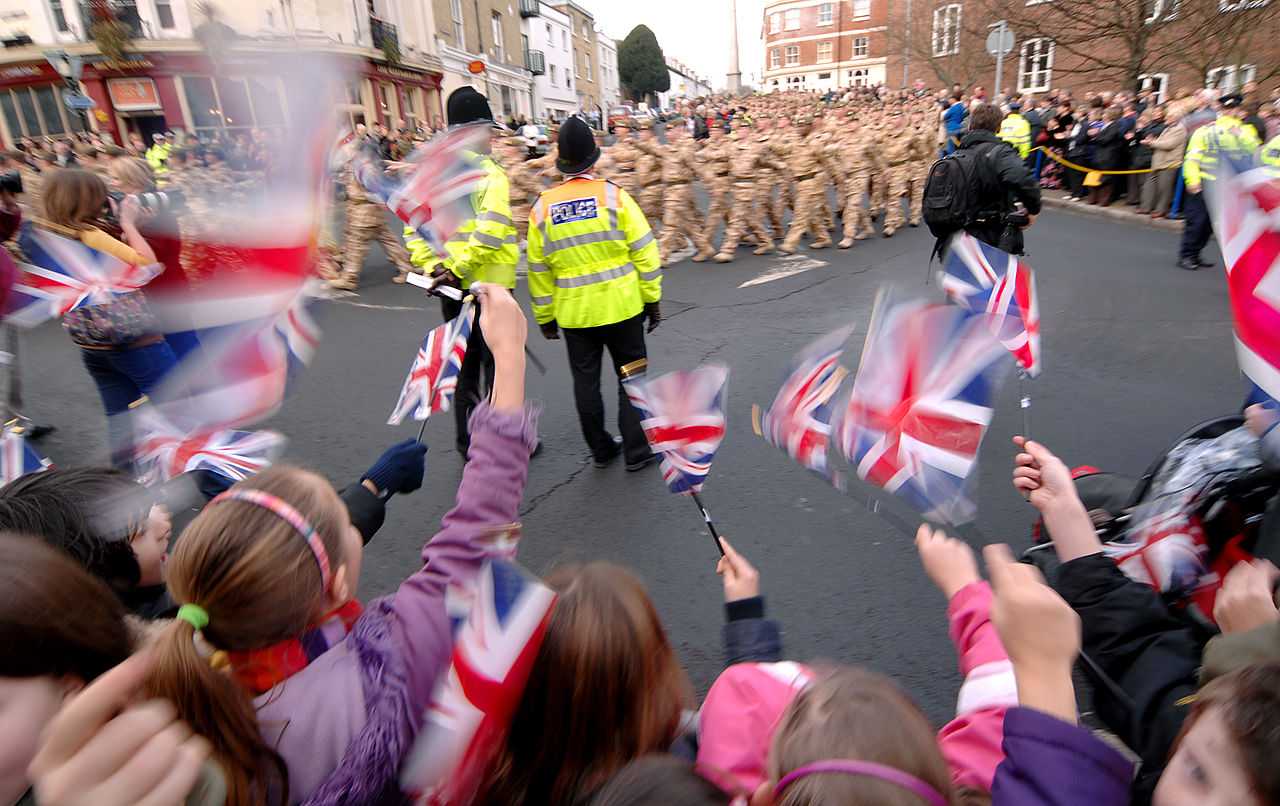
I argue that this increased visibility of a humanised and familiar British soldier, as well as the violences they endured, has produced particular effects. First, through the continued and increased attention given to British soldiering bodies and experiences, the bodies and experiences of Afghans who have lived in and through the (on-going) conflict for sixteen years are relegated to the sidelines or ignored altogether. This includes the estimated . Second, that this highly visible figure of 鈥楾he Soldier鈥� can often bear little resemblance to the lived experiences of those who have inhabited the role. For veterans who face homelessness, alcohol and substance abuse, or simply feel , this hypervisibility of an idealised soldier does not reflect their own day-to-day life, either on combat operations or back in the UK on 鈥榗ivvy street.鈥�
Just as making invisible the tens of thousands of Iraqi dead during the Gulf War and the growing numbers of , when a particular body is made increasingly visible, it is likely performing important work in constructing and narrating a particular story. With Afghan civilians continuing to live through extreme violence and political uncertainty, and British veterans being confronted by we should care about what bodies and stories are being made visible and told and whose are being ignored.
Related comments