Curtains for Wagner: Can Russia’s Show in Africa Go On?
Posted Tuesday, 29 Aug 2023 by Pavel K. Baev
The fall of Yevgeny Prigozhin鈥檚 Wagner Group and its impact on Russian activities in Africa: diminished authority of President Putin, fading diplomatic influence, and declining mercenary power pose challenges to sustaining interventions on the continent.
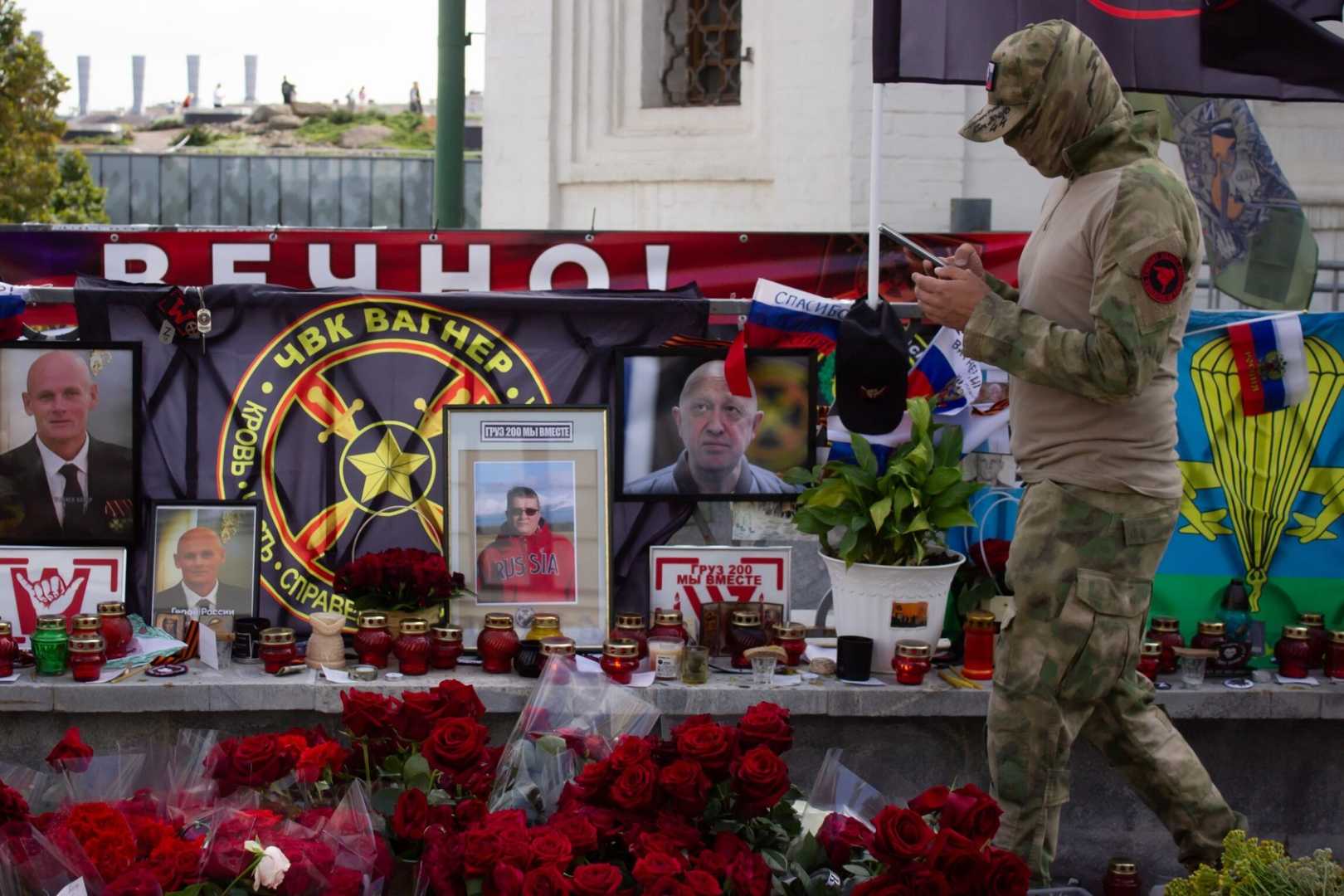
The abrupt end to the spectacular career of Yevgeny Prigozhin, the boss of the Wagner Group and the proprietor of a substantial business and media empire, was anything but surprising. The shocking mutiny of his mercenaries on June 24 was to all intents and purposes an act of high treason.
The compromise negotiated with President Vladimir Putin, far from signifying true forgiveness, was rather a necessary step to restore Putin鈥檚 authority, and the two months delay was merely a preparation period to inflicted by Prigozhin鈥檚 escapade on the Russian polity.
The formal removal of from his post as commander of the AirSpace Forces on the same day as Prigozhin鈥檚 Embraer Legacy 600 plane crash, approximately 50 km away from Putin鈥檚 Valdai residence, may have been coincidental. However, it is clear that Defense Minister Sergei Shoigu and Chief of the General Staff Valery Gerasimov effectively suppressed any . This loyalty is likely to persist, as long as the Ukrainian brigades are able to gain only tactical success toward Melitopol and Berdyansk.
Immediate repercussions from Prigozhin鈥檚 predictable departure could, however, affect Russian international intrigues, first of all in Africa.
The Big African Picture
The question about sustainability of Russian para-military interventions in Africa is indeed complex, and most experts are that they will continue or even expand. Such predictions align with Foreign Minister Sergei Lavrov鈥檚 reassurances that the Wagner mutiny had no consequences for Mali and Central African Republic (CAR), where 鈥溾��. The apparent issue with this stance is that Lavrov has never been involved in planning and executing of Wagner鈥檚 operations and is perhaps glad to know nothing about the of this 鈥渨ork鈥�.
Russian diplomacy centers on several key African states, particularly South Africa (a valued partner in the ),Egypt, Algeria and Ethiopia, which all wanted no part in Wagner鈥檚 activities.
The big moment for Moscow was supposed to be the Russia-Africa summit held in mid-July, with Putin investing extraordinary personal effort in staging the event, grandstanding and entertaining his guests non-stop from Wednesday afternoon to Sunday morning. However, instead of promoting Russia鈥檚 influence, the summit in fact of the resource base for its policy, particularly as the persistent requests for reviving the abruptly cancelled 鈥溾�� remained unanswered.
Putin tried to exploit the anti-colonial discourse to the maximum, but in the absence of material rewards, the rhetoric can go only that far, and his cordial embrace of the leaders of military juntas of Mali and Burkina Faso didn鈥檛 go well with the democratically elected presidents of such West African states as Ghana, Nigeria or Senegal.
Conflict Manipulation Yields Diminishing Rewards
The chain of military coups in the Sahel region is caused by the protracted multi-faceted crisis in this impoverished region and had attracted plenty of even before Niger has added another entry to this grim track record.
While Russia didn鈥檛 instigate any of this turmoil, it took advantage of the violent instability in the CAR and Mali, making concerns about well justified. What is often missed by alarmed analysts is Moscow鈥檚 increasingly evident inability to capitalize on the withdrawal of French businesses and troops caused by the coups.
Ibrahim Traore, the youthful leader of junta ruling Burkina Faso, hoped that his expressed support for Russia鈥檚 aggression against Ukraine would be rewarded by a contract with Rosatom for constructing a ; Putin invited him to the naval parade, but no deal was done.
Deepening economic stagnation in Russia is a big part of the explanation for this passivity, but the significant degradation of the Wagner Group, which preceded its decapitation, constitutes an equally significant yet often overlooked element.
Much of the on Russian clandestine operations and illicit business activities in Africa is based on the data from 2019-2021, when the Wagner Group was able to tap into the opportunities created by the COVID-19 pandemic.
The profound transformation of this criminal enterprise driven by the Ukraine war has, however, caused a massive shift of its resource allocation toward the , relegating Africa to secondary importance. Full-blown civil war erupted in Sudan, but the Wagner Group had no capacity for intervening and . After the mutiny, Prigozhin declared the intention to return to Africa, and he had recorded in Mali two days prior to the plane crash was supposed to amplify that message. No more African adventures for him, but more importantly 鈥� no reinforcements or substitutes for the Wagner Group.
Quite a few , including the Redut controlled by the military intelligence GRU, have mushroomed in Russia, but none has the capacity and reputation of Wagner, and all are engaged in fighting the grinding battles. Russian military command was able to force swift surrender of all Wagner units , but ensuring control over mercenaries in Libya is far more difficult, as Deputy Defense Minister Yevkurov (who was briefly captured by Wagner mercenaries in Rostov-on-Don) found out from . Personal connections were crucial in exploiting criminal networks in Africa, and both Wagner鈥檚 top military commander (nom-de-guerre Wagner) and key business operator (Rover) perished together with Prigozhin.
Installing another maverick conflict entrepreneur to take over the remnants of the Wagner enterprise is hardly an attractive plan for the Kremlin, but making them subordinate to the Defense Ministry means losing the advantage of deniability. Characteristically, Prigozhin himself had found it useful to of the Wagner Group up until its combat deployment to the Ukraine battlefields.
Russian military command needs every available reserve into the trenches holding Ukrainian counter-attacks on Bakhmut captured by sacrificing tens of thousands of mercenaries and cannot spare hundreds of seasoned professionals for deployments in Africa, which have to be supplied by strategic airlift. Attractive as the African connections may appear to Putin and his courtiers, the options to cultivate them on the cheap are effectively exhausted and the capacity to project mercenary power has shrunk.
- Pavel K. Baev is a Research Professor at 糖心网页版
- This text was first published by the
Related comments