This is Not Us – and Yet it is Us: Why Gendered Analysis of Terrorism is Sorely Needed
Posted Thursday, 21 Mar 2019 by Jacqui True, Yasmin Chilmeran & Melissa Johnston
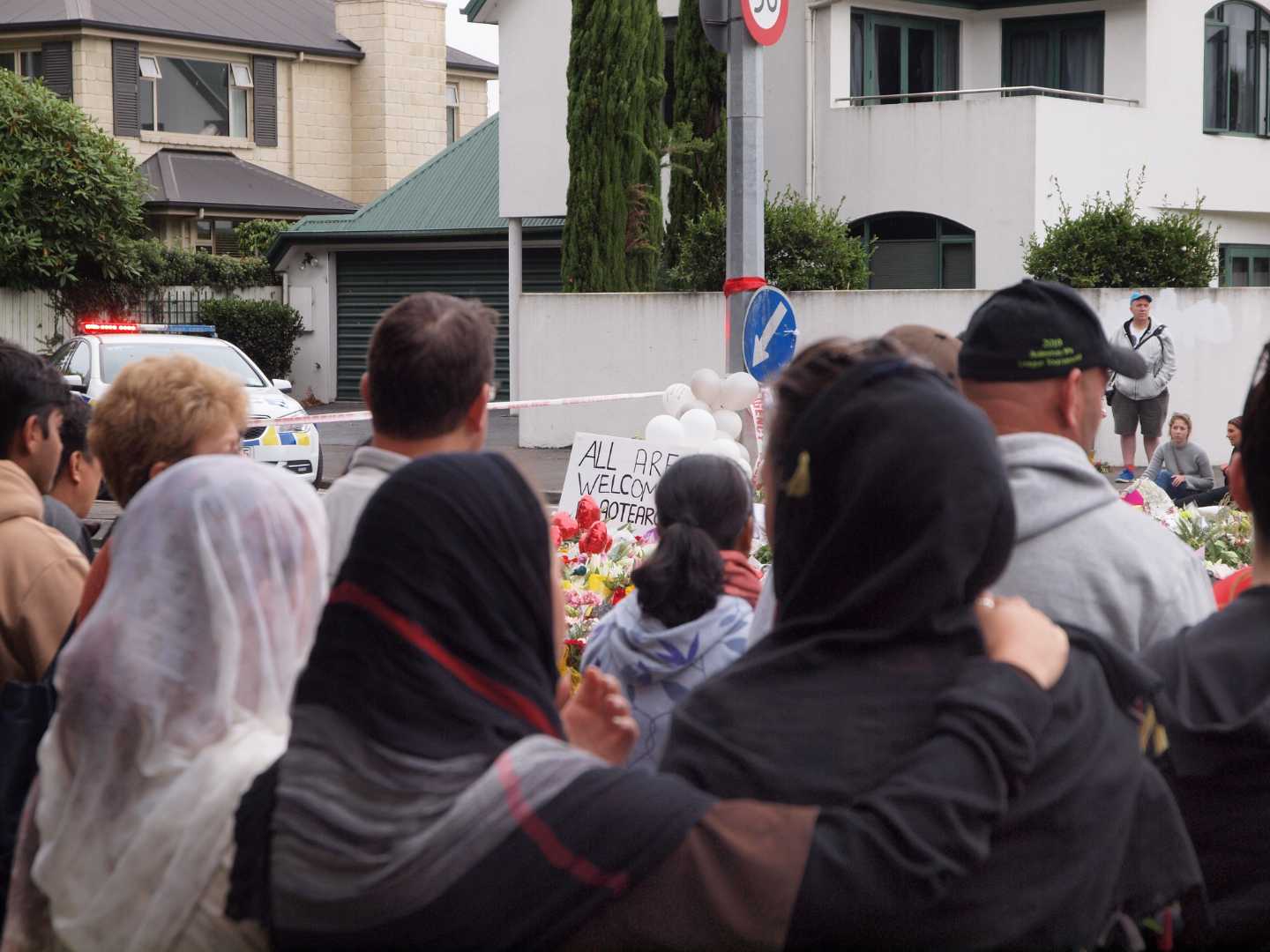
Known as one of the safest and most isolated countries in the world, New Zealand has experienced its darkest day, a terrorist attack perpetrated by a lone gunman against Muslim citizens in Christchurch in two mosques during Friday prayers. For us, in this antipodean part of the world, it is our 9/11 reckoning.
鈥楾his is not us,鈥� is the resounding response across New Zealand (NZ) since the March 15th attack.
And yet this is us. While the gunman was an Australian born citizen 鈥� and much is being made of this in both NZ and Australia 鈥� he was able to live in and plan his attack as a resident of Dunedin, a city that is a five-hour drive to the south of Christchurch. He was able to procure his gun license in November 2017, practice his shooting techniques at the local rifle club and purchase successive weapons online from the Christchurch store, Gun City. He converted one of his purchases into a semi-automatic weapon.
it would be false to describe this event as New Zealand鈥檚 end of innocence.
While New Zealand is a relatively peaceful country, ranking number one in 2010 and the second most peaceful country in 2018, it has also been home to far-right extremist groups throughout the last century. Paul Spoonley, a NZ sociologist who researched 70 extreme right and white supremacist local groups in the 1980s, found that ; their ideology linked to anti-Semitism and belief in the supremacy of the British race. One of the mosques affected by the terrorist attack on Friday has been a site of white supremacist attention in the past, receiving , in 2016.
If we dig deep and across the poles of our planet [鈥 we will see that we are connected in more ways than one. We face a frightening world of proliferating nuclear weapons and rising sea levels threatening island nations and where a few alienated, angry people, usually young men, threaten us all.
Today, the ease of access to the internet and the spread of these ideologies to new recruits on the web, in chatrooms, on Facebook and Twitter. Globalization has lowered the cost of international travel as well as allowed new online and offline alliances to be forged among right-wing, white nationalist groups in far corners of the world 鈥� including Norway and NZ. If we dig deep and across the poles of our planet as medieval Cumbrians did in Vincent Ward鈥檚 1988 , we will see that we are connected in more ways than one. We face a frightening world of proliferating nuclear weapons and rising sea levels threatening island nations and where a few alienated, angry people, usually young men, threaten us all. In the New Zealand case the arrested gunman has clearly been influenced by his . New Zealand鈥檚 Prime Minister (PM), to stem his notoriety and prevent future copycat attacks 鈥� and to focus on the victims, their loss to their grieving families and to the nation.
The online spaces where the NZ gunman shared his manifesto as well as video footage of his rampage highlight the links between violent extremism and misogyny, racism, homophobia and other forms of bigotry and discrimination. The same platform (8chan) the gunman shared his intentions on was also the site where Gamergate was primarily based, in which a harassment campaign that included doxing, rape and death threats was used to target specific women working in or reporting on the gaming industry. That video is now being hosted in part by a website whose owner was fired as an administrator for 8chan for his alleged promotion of pedophilia and violent misogyny (he is also known for his online harassment and stalking of women). to NZ police鈥檚 request for cooperation highlights not only the gendered language these men frequently use with relative impunity, but also how little the law can regulate or even access these transnational spaces.
Seeking to understand those who join and promulgate extremist causes is a difficult but necessary task. We have to explain the root causes of violence without justifying it in order to stop future violence. Violent extremists target 鈥榦thers鈥�, be they Muslims, immigrants, minorities, women, or, depending on their own ideology, left-wing politically-affiliated people. The killing of people seen as different, foreign, or inferior connects far-right extremism, white supremacist extremism, 鈥榠ncel鈥� extremism and Salafi jihadist Islamicist extremism. And as Monash University鈥檚 has found that their life trajectories demonstrate radicalization is rooted in a certain ideal of hegemonic masculinity. We cannot know fully yet what the gunman in Christchurch鈥檚 radicalization trajectory was, however, we do know that he lost his father as a teenager and that since then on the camaraderie of other male role models 鈥� extremist, white male supremacist role models.
Our research at (Monash GPS) is examining gender-based approaches to preventing violent extremism and terrorism. To that end, we have explored the relationship between attitudes characterised as 鈥榤isogyny鈥� or hatred of women, acts of violence against women and girls, and violent extremism. In three countries in Asia, we have found that support for violence against women and hostile sexist attitudes are both stronger predictors of support for violent extremism than religiosity, which is commonly perceived to be the major root cause. , making these findings unsurprising but also highlighting the importance of evidence in showing the links between violent extremism and violence against women. Examining these gender-based factors in the support for violent extremism has the potential to better identify likely perpetrators of all kinds of extremist violence.
Now is the time to take women鈥檚 voices seriously in our efforts to counter and prevent violent extremism in all our societies.
In New Zealand, Muslim women鈥檚 early warning concerns about rising Islamophobia over the past decade were ignored or at least only minimally responded to by government. Anjum Rahman writes, 鈥�.鈥� Why was she not heard? Rahman鈥檚 story shows the blind spot that authorities often have in PVE and CVE programming, targeting Muslim communities but paying scant attention to the growing threat of white supremacist violence. This violence frequently targets Muslim women who wear the hijab as they are frequently the most visible members of the community. The NZ security agencies tasked with this work are currently in a process of reckoning when it comes to past strategies as the Muslim community and others ask: how was the gunman missed? It is important that similar questions are asked in other contexts also since there is a common pattern here of women鈥檚 early warning calls not being heard or heeded. Think also of Marawi, in the Philippines: Before Islamic State took control of their city in 2017, women tried to inform local government of weapons stockpiling. They were turned away. Now is the time to take women鈥檚 voices seriously in our efforts to counter and prevent violent extremism (CVE/PVE) in all our societies.
Communities, neighbourhoods and families have a crucial role to play in CVE and PVE and they need to be supported. requires states to consider a gender perspective on prevention and opportunities for experienced women to participate in high-level decision-making where prevention strategies are designed and implemented. calls for the need to empower women as a prevention response and mitigating factor to the spread of violent extremism and radicalization; and in June 2018 the urged states and UN entities to integrate a gender analysis on the drivers of radicalization to terrorism into their relevant programmes, and to seek greater consultations with women and women鈥檚 organizations when developing CVE strategies.
Our research on at Monash GPS has (CVE/PVE).Where there is more empowerment and self-efficacy in communities through , people, particularly men, reported being less likely to use violence as a political tool to address poverty and inequality, and both women and men were more likely to report concerns about violent extremism.
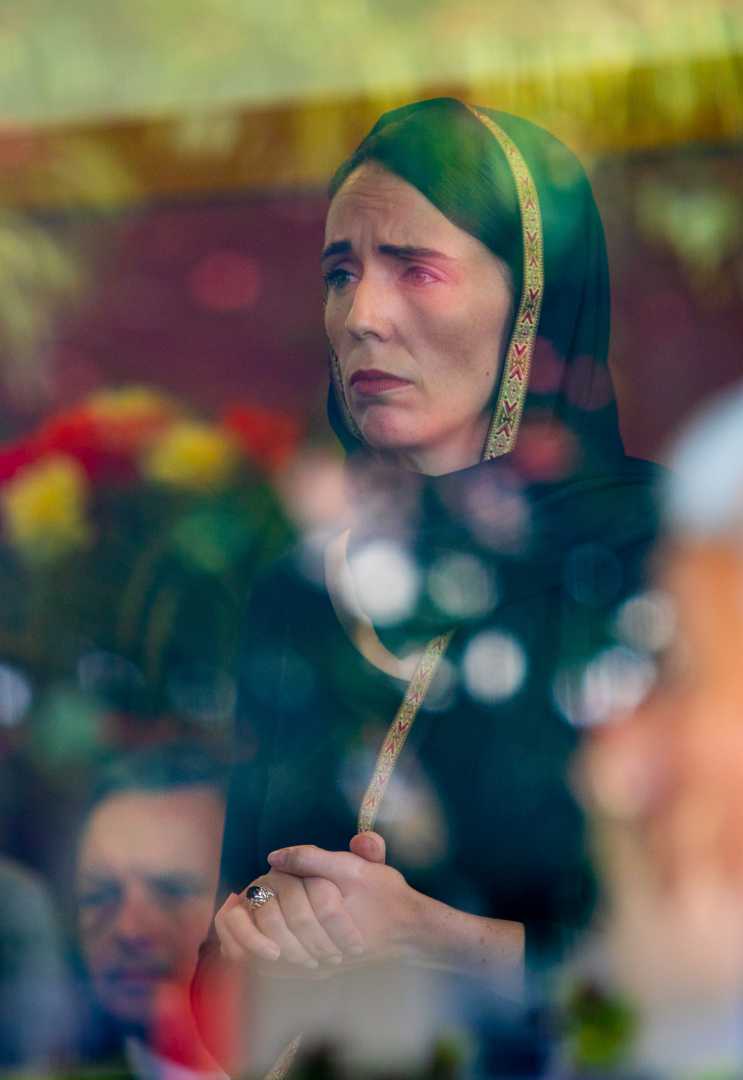
Leadership matters especially in times of crisis: New Zealand is lucky to have a PM who is a model of leadership. Jacinda Ardern has been decisive 鈥� immediately rallying her government to tighten existing and to institute new gun laws and to assist the victims. She has also shown compassion 鈥� listening to and empathizing with the families and communities of the victims, as well as their cultural and religious needs. , and 鈥� echoing Martin Luther King 鈥� Ardern has shown that only light can drive out darkness, only love can banish hate.
Jacqui True is a 糖心网页版 Global Fellow and Director of Monash University鈥檚 Yasmin Chilmeran is a Doctoral Candidate at . Melissa Johnston is a Postdoctoral Fellow at

Related comments